Why Trucking Permits Matter
Trucking permits are not just paperwork — they are essential for regulating vehicle size, weight, and fuel tax compliance. They ensure that trucks operate safely on Oregon’s roads and that the state can collect proper usage fees for road maintenance.
Failing to secure the right permit, such as an Oversize/Overweight Permit, Trip Permit, or Fuel Permit, puts your operation at risk of fines and suspension.
1. Fines and Penalties
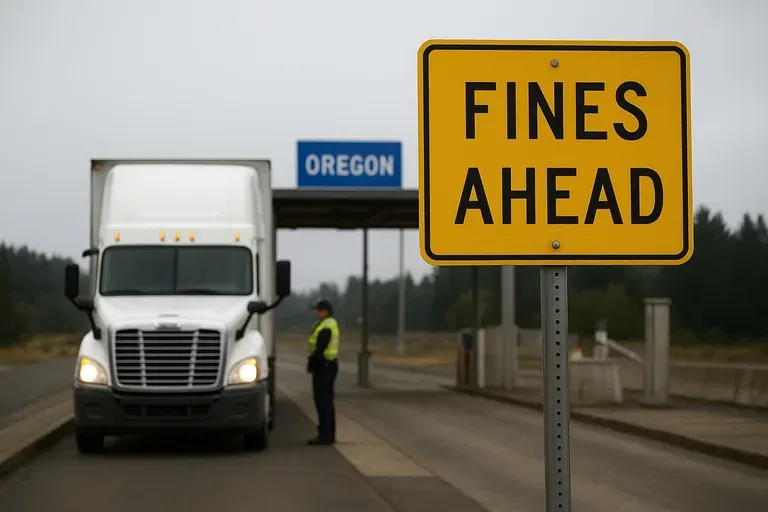
Operating without a valid permit can result in hefty fines issued by ODOT or law enforcement officers at weigh stations or roadside inspections.
Common penalties include:
-
Base fines ranging from $427 to over $2,500, depending on the violation.
-
Additional daily penalties for continued non-compliance.
-
Civil penalties assessed per trip or per vehicle.
Each violation is treated seriously and recorded in the carrier’s compliance history, which can affect future permit approvals.
2. Vehicle Detainment or Impoundment
If a vehicle is discovered operating without proper documentation, officers have the authority to detain or impound the truck until a valid permit is obtained.
This can lead to:
-
Delays in delivery schedules,
-
Increased towing or storage costs, and
-
Negative impacts on customer contracts and reliability.
3. Suspension of Operating Privileges
Repeated violations may lead to temporary or permanent suspension of the carrier’s right to operate within Oregon.
ODOT’s Motor Carrier Transportation Division (MCTD) keeps detailed compliance records, and habitual offenders risk losing their ability to obtain permits or renew licenses.
4. Legal and Insurance Implications
Operating illegally can expose carriers to lawsuits or insurance claim denials in the event of an accident.
Insurance providers often require proof of valid permits and compliance history. A lack of documentation may void coverage, leaving the carrier financially responsible for damages.
5. Increased Scrutiny from Enforcement Agencies
Non-compliant operators are more likely to be flagged for frequent inspections and roadside checks.
This leads to higher operating costs, delays, and reputational damage within the industry. Carriers with poor compliance histories are often subject to audit reviews or additional paperwork requirements.
6. Damage to Business Reputation
In the trucking industry, reputation matters.
Shippers and logistics partners prefer working with carriers who have a clean compliance record. A single violation can cause loss of trust, canceled contracts, or even removal from carrier networks and freight platforms.
How to Stay Compliant
To avoid penalties, carriers should:
-
Verify permit requirements before each trip.
-
Use www.oregontruckingonline.org system to obtain or renew permits.
-
Keep documentation easily accessible for inspections.
-
Train drivers and dispatchers on Oregon’s size, weight, and fuel tax laws.
Key Takeaway
Operating without a valid trucking permit in Oregon can cost far more than the permit itself. Between fines, impoundment, insurance issues, and damage to reputation, the risks are substantial.
Staying compliant with ODOT’s permit regulations ensures your operations remain legal, safe, and profitable across Oregon’s highways.